
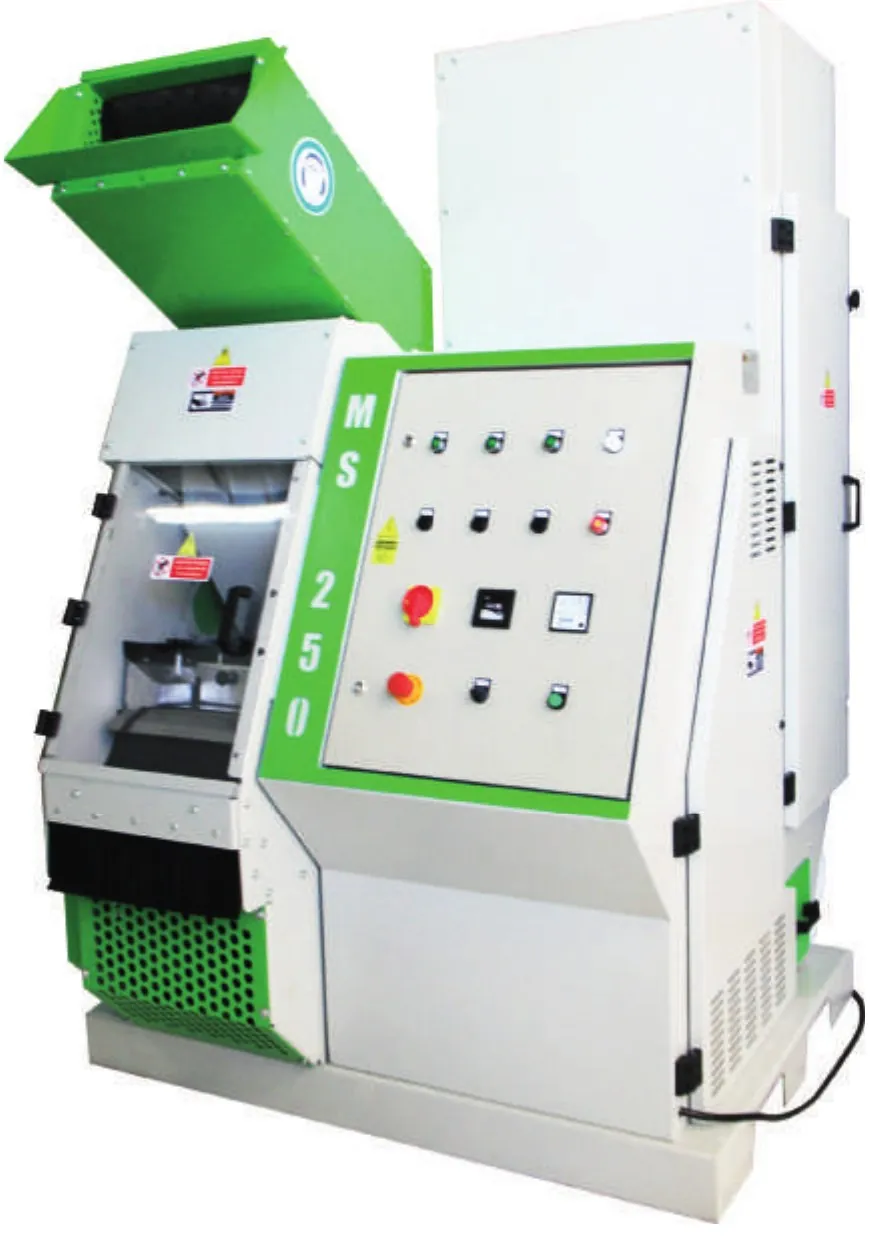
Granulating mills
Compact Series copper granulating mills
Five models, from 5.5 kW to 60 kW, that grind copper or aluminium wires and cables and separate metal from plastic by a dry process. Processing capacity of 80 to 800 kg/h on insulated wires.
- Dry separation: no water, no drying and no cable burning
- Processes copper or aluminium without pre-sorting
- Accepts pre-shredded radiators
- Can be combined with single-shaft shredder, conveyors and self-cleaning filters
According to the 2026 brochure, the Recmax granulating mill line processes copper or aluminium wires and cables without pre-sorting. It also processes pre-shredded copper and aluminium radiators. The result is metal granulate separated from plastic, using a dry separation that aims for the highest metal purity the cable type and machine setting allow.
Choosing the biggest number in the table is usually a mistake. A well-fed MS-100 Eco running building wire can deliver more than a larger model working on harnesses full of terminals. The right calculation starts with your real daily volume, your cable mix and the granulate size your buyer accepts.
Official technical data
| Model | Power | Processing capacity | Dimensions (L × W × H) | Weight |
|---|---|---|---|---|
| MS-100 Eco | 5.5 kW | 80–100 kg/h | 1.1 × 1.1 × 1.8 m | 400 kg |
| MS-150 | 11 kW | 120–150 kg/h | 1.5 × 2.2 × 2.2 m | 850 kg |
| MS-250 Eco | 26 kW | 200–250 kg/h | 1.5 × 2.2 × 2.2 m | 1,240 kg |
| MS-350 | 44 kW | 250–350 kg/h | 4 × 1.7 × 2.9 m | 4,055 kg |
| MS-800 | 60 kW | 600–800 kg/h | 3 × 1.7 × 3.5 m | 5,505 kg |
Processing capacity on insulated wires, depending on the material type. Source: Recmax 2026 brochure. The capacity for your material is confirmed in the commercial proposal.
Videos of this equipment
Consumo de energia dos moinhos granuladores
Frequently asked questions
Does the output in the table apply to any cable?
No. Processing capacity varies with the material. Diameter, insulation, metal content, moisture and feeding method change the real kg/h. That is why we ask for a 20 to 30 kg sample of your cable before recommending a model.
What is the difference between the MS-100 Eco, MS-150 and MS-250 Eco?
Installed power and processing capacity on insulated wires: 5.5 kW and 80–100 kg/h on the MS-100 Eco, 11 kW and 120–150 kg/h on the MS-150, 26 kW and 200–250 kg/h on the MS-250 Eco. The MS-150 and MS-250 Eco share the same footprint (1.5 × 2.2 × 2.2 m).
When is the Compact Series not the best choice?
When the material is very fine (data, telephone or capillary cables), the Turbo Series is usually more suitable. When the cable is thick and clean, a V-Kof stripper can recover whole copper, which usually sells differently. Above 800 kg/h, a custom line is assessed.
What is the warranty?
The Recmax 2026 brochure states a 1-year warranty and ongoing technical support. Specific conditions for each supply are set out in the commercial proposal.
Related products
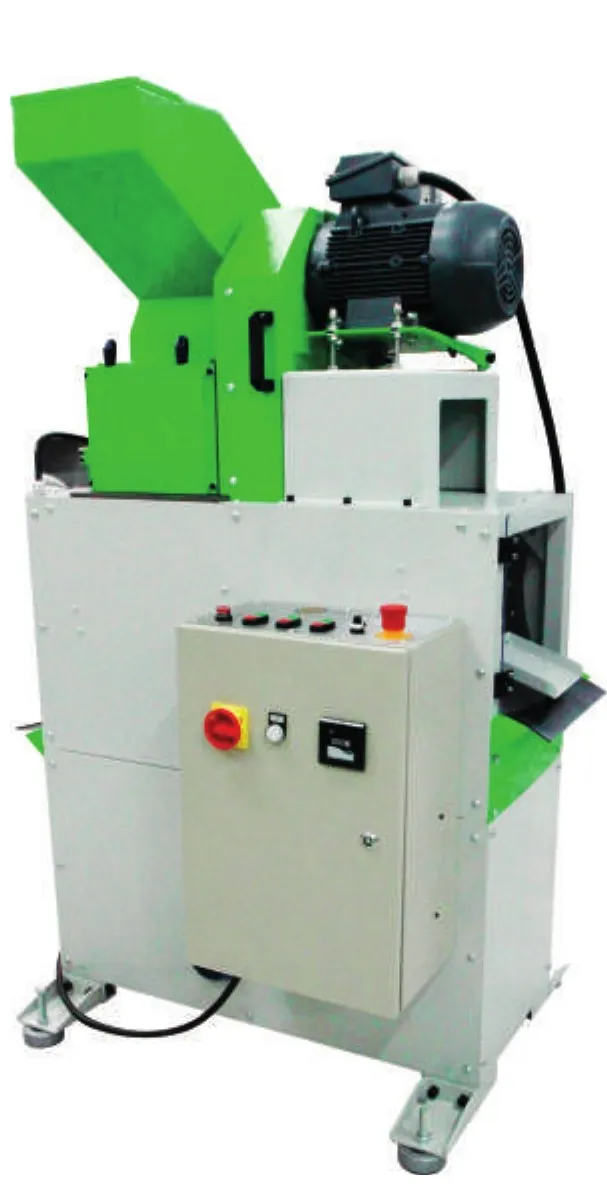
MS-100 Eco
The smallest mill in the Compact Series: 5.5 kW, 400 kg and processing capacity of 80 to 100 kg/h on insulated wires. For operations that want to stop selling insulated wire and start selling separated copper.
See details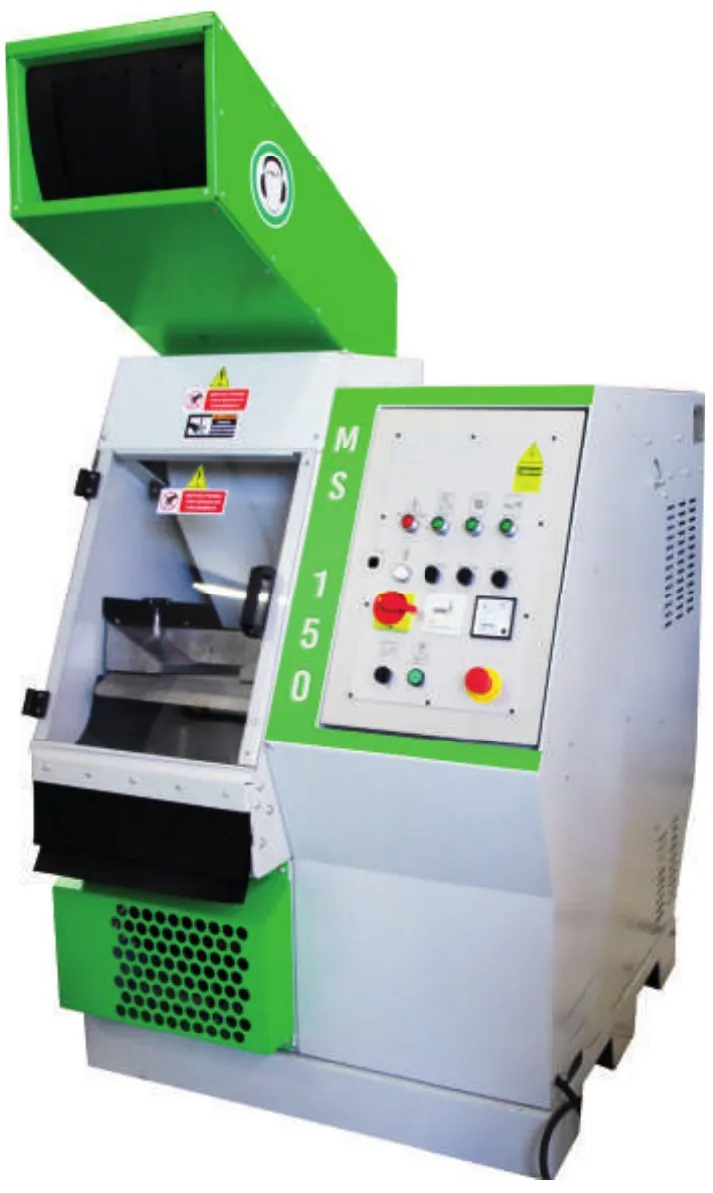
MS-150
11 kW, 850 kg and processing capacity of 120 to 150 kg/h on insulated wires. The next step for operations with a steady flow of insulated wire.
See detailsMS-250 Eco
26 kW, 1,240 kg and processing capacity of 200 to 250 kg/h on insulated wires, on the same floor area as the MS-150.
See details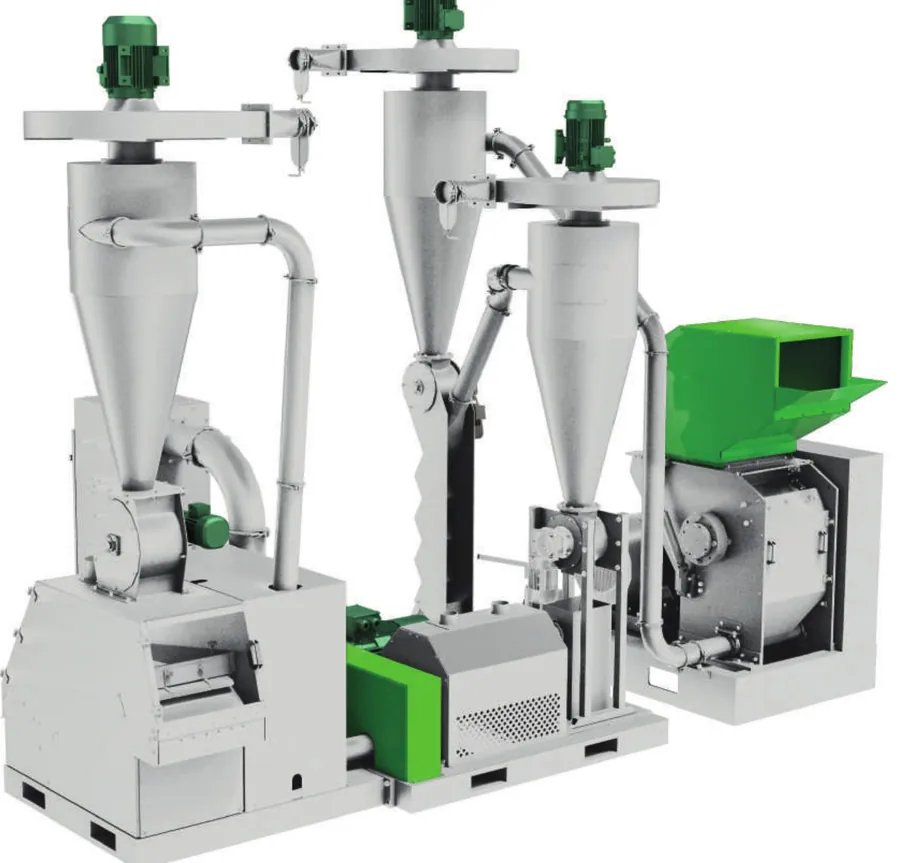
Turbo Series
Eight MS-T and MF-T models, from 32 kW to 150 kW, with processing capacity from 170 to 1,200 kg/h on insulated wires. The Turbo refiner processes small-diameter cables without changing the screen.
See details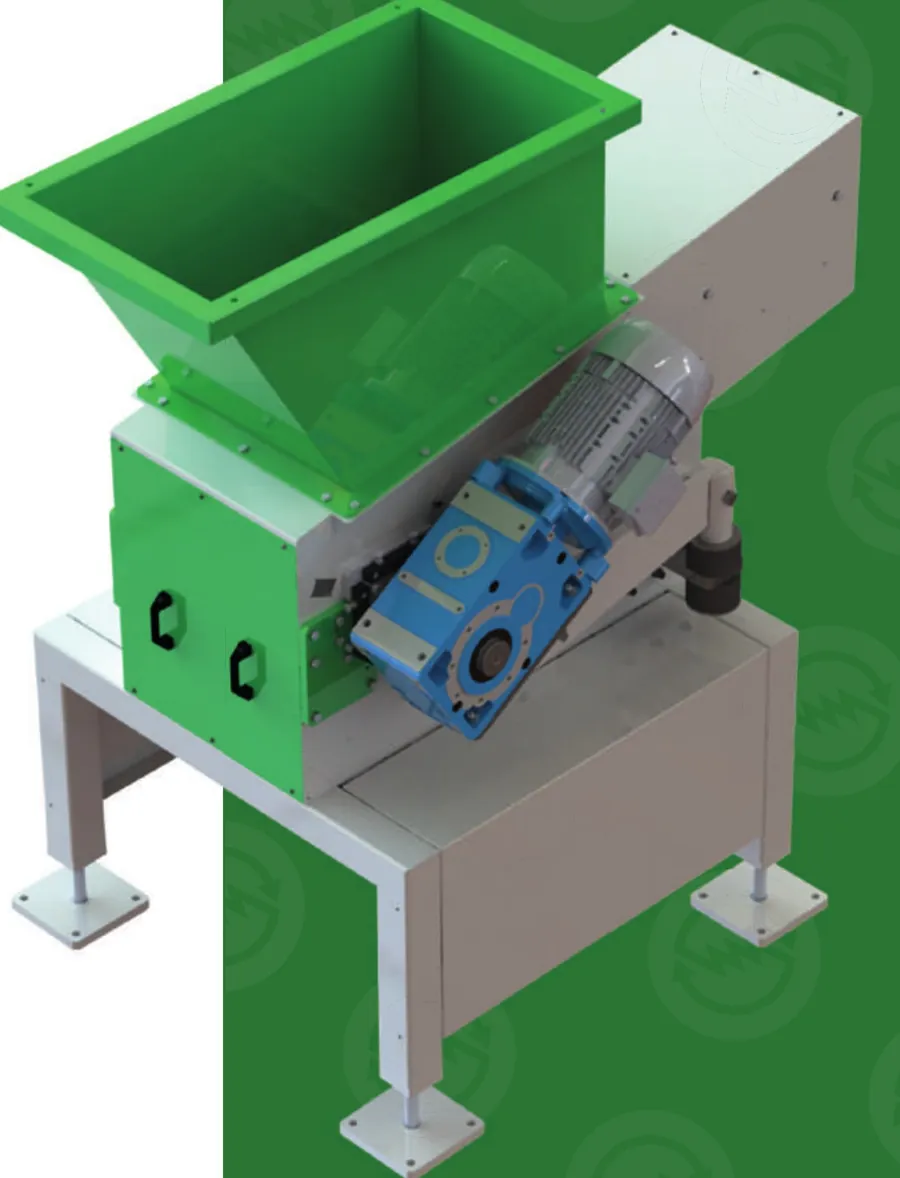
TR300–TR1200
Four models, from 5.5 kW to 45 kW, that reduce thick cable and bulky material ahead of the mill. They couple to the Compact, Turbo and Multiflex Turbo Zig-Zag series.
See detailsSend a 20 to 30 kg sample of your cable
The technical team tests the material, recommends the model and reports what to expect in processing capacity and separation.