
Copper separated from plastic, dry, without burning cable.
Granulating mills, shredders, strippers and complete lines made by Recmax. The right model comes from testing your cable, not from the biggest number in the table.

- maximum purityof copper and aluminium, depending on the material
- 1 yearwarranty and ongoing technical support
- ISO 9001:2015EVS Brasil seal on the company brochure
- dryno water, no drying and no cable burning
Equipment families and the step each one handles
Each family handles one stage or one type of material. Many operations combine two or three.
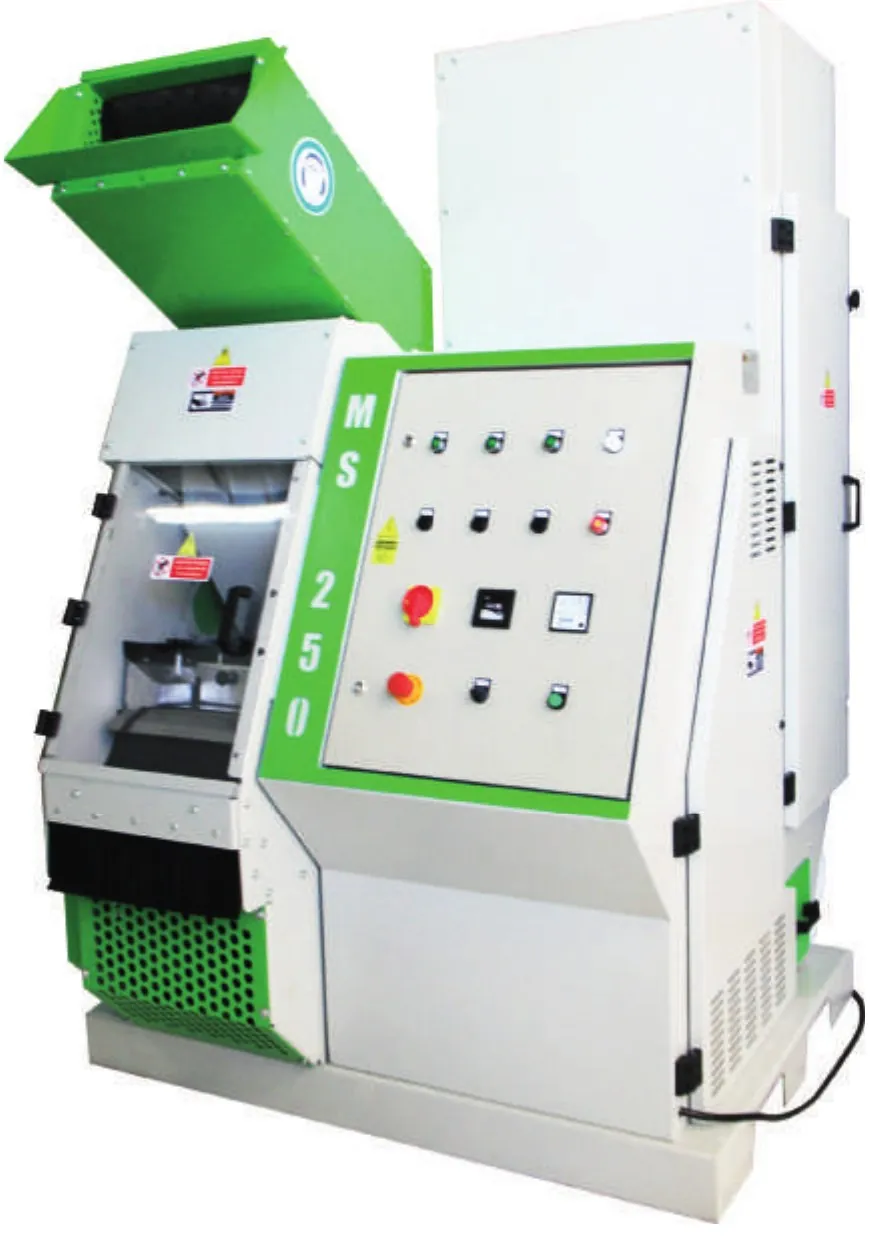
Compact Series
Five models, from 5.5 kW to 60 kW, that grind copper or aluminium wires and cables and separate metal from plastic by a dry process. Processing capacity of 80 to 800 kg/h on insulated wires.
See details →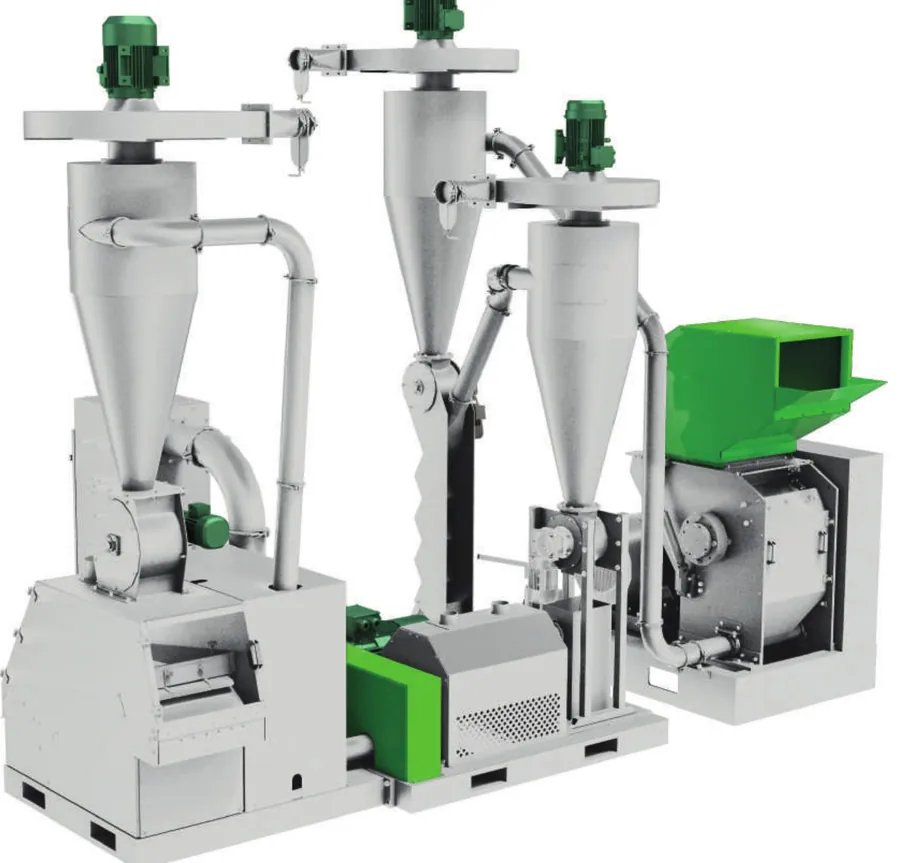
Turbo Series
Eight MS-T and MF-T models, from 32 kW to 150 kW, with processing capacity from 170 to 1,200 kg/h on insulated wires. The Turbo refiner processes small-diameter cables without changing the screen.
See details →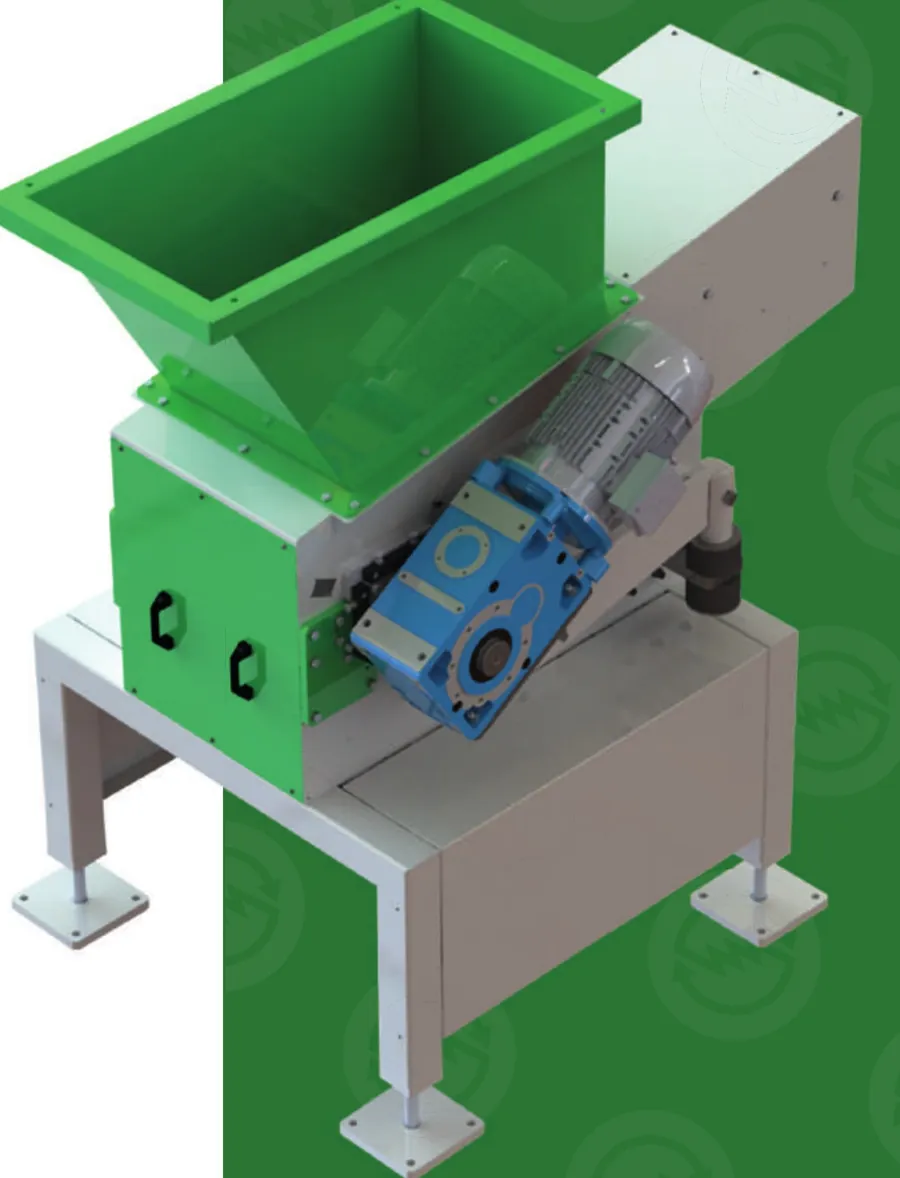
TR300–TR1200
Four models, from 5.5 kW to 45 kW, that reduce thick cable and bulky material ahead of the mill. They couple to the Compact, Turbo and Multiflex Turbo Zig-Zag series.
See details →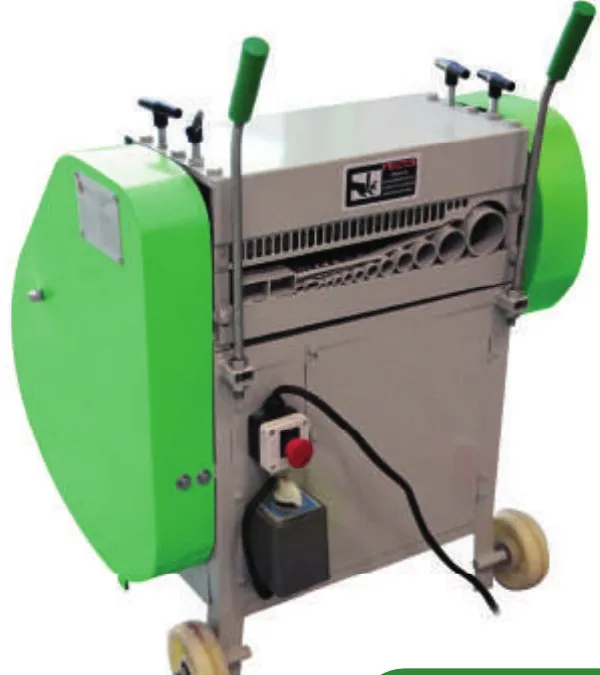
V-Kof
Removes the jacket and delivers whole copper, without grinding. Wires from 1.5 to 55 mm, 2.2 kW or 3 kW versions, 110 kg.
See details →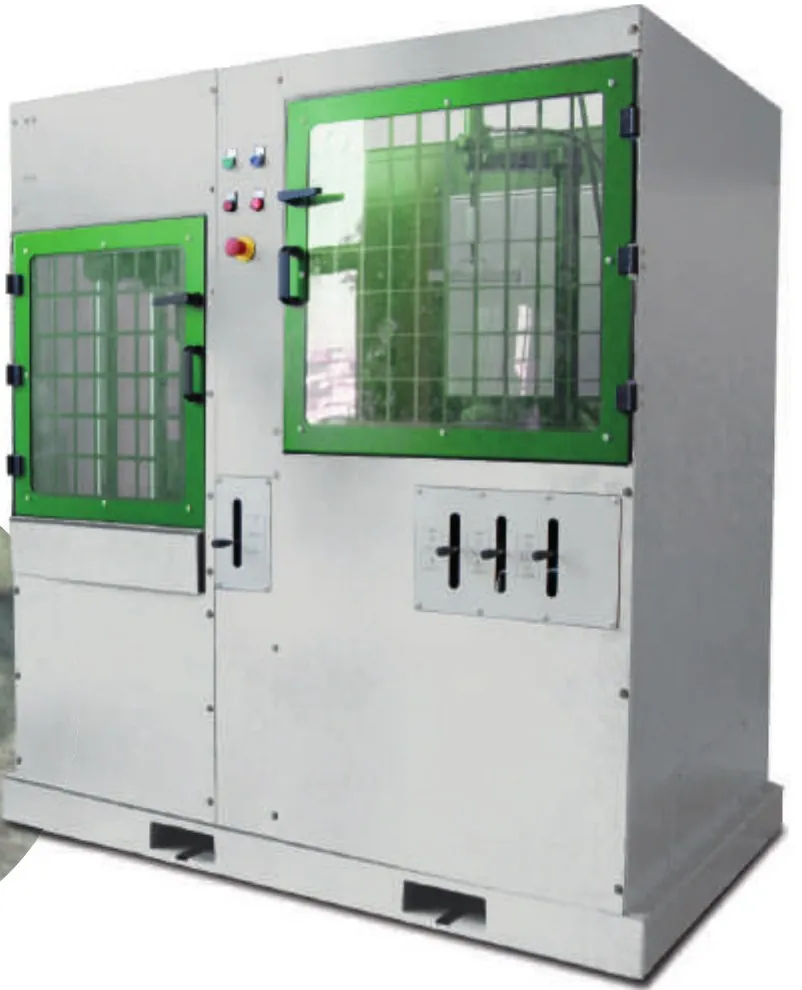
Recmax 500T
100% Brazilian-made machine for stators from Ø60 to Ø500 mm. It cuts, splits and extracts the winding copper automatically, without a torch.
See details →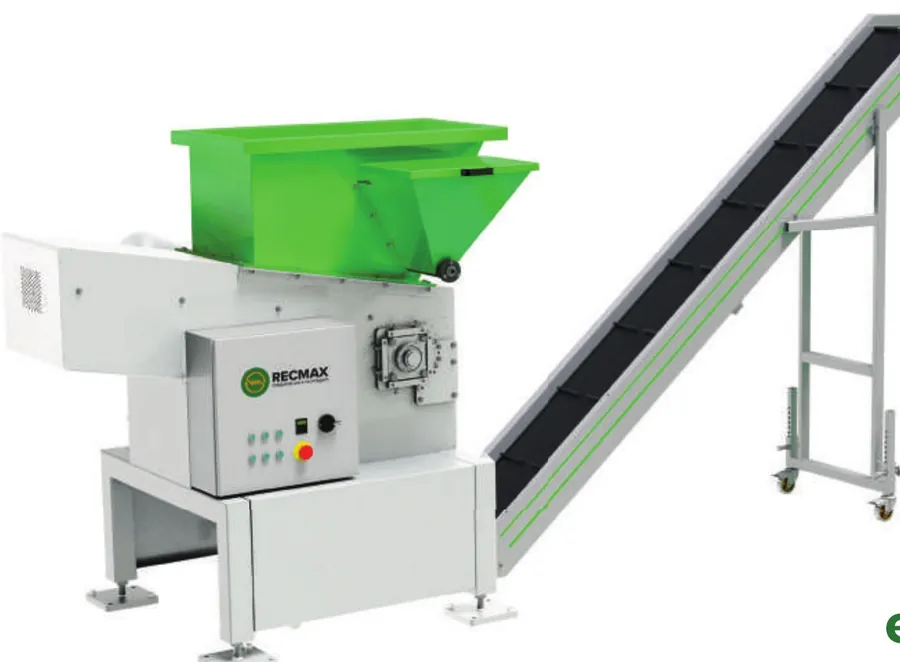
Custom lines
Lines from 200 to 3,000 kg/h for large volumes of copper, aluminium and copper-aluminium radiators, built around your material.
See details →How cable becomes sellable copper
The order of stages depends on the material. This is the full sequence; not every operation uses all of it.
Strip or shred
Thick cable can be stripped whole. Coils, armoured cable and harnesses are shredded first.
Remove iron
Magnets remove screws, clips and ferrous terminals before they wear the knives.
Grind and granulate
The mill reduces the cable to granules in which metal and plastic are already free.
Separate metal and plastic
Air flow (zig-zag) and a density table separate by weight, without water.
Screen and filter
The screen recovers metal dust left in the plastic. The filter holds back airborne dust.
Start with the material
The same mill performs differently with each cable type. Pick your material and see the process route.
Copper and aluminium wires and cables
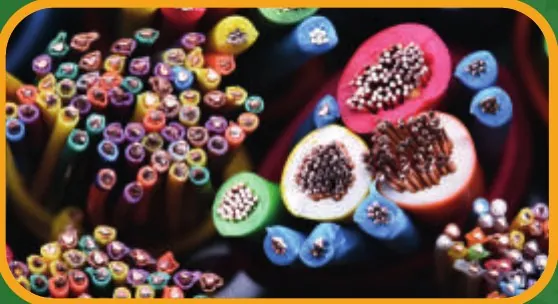
Building wire, rigid or flexible, is the most common material in recycling.
See details →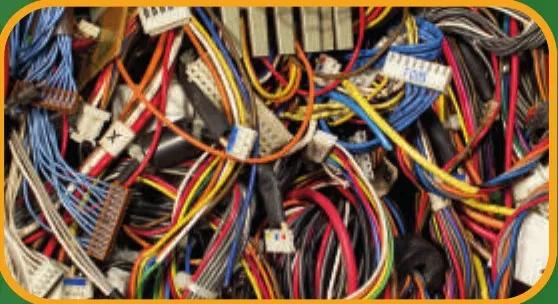
Automotive wiring harnesses
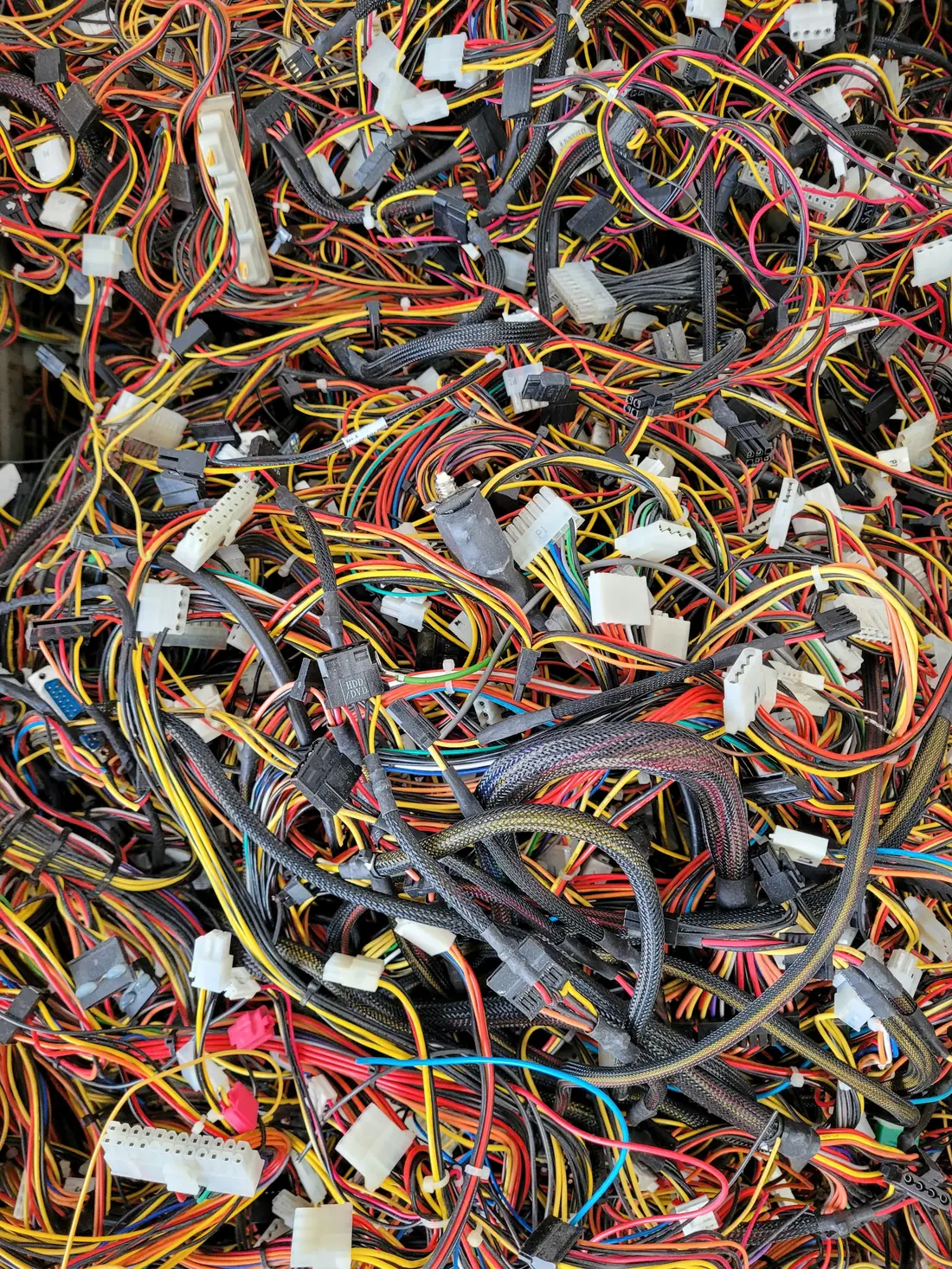
Harnesses carry fine wire, plastic connectors, brass terminals, clips and sometimes steel parts.
See details →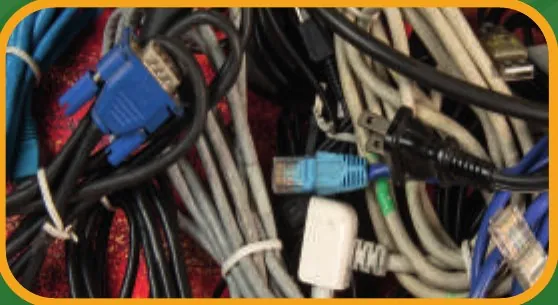
Data, telephone and capillary cables
Lots of plastic, little metal and very fine strands.
See details →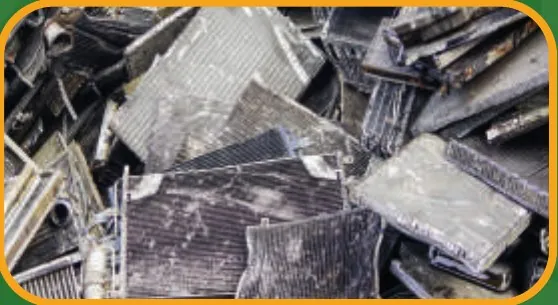
Copper and aluminium radiators
Mixed radiators lock copper and aluminium in the same block.
See details →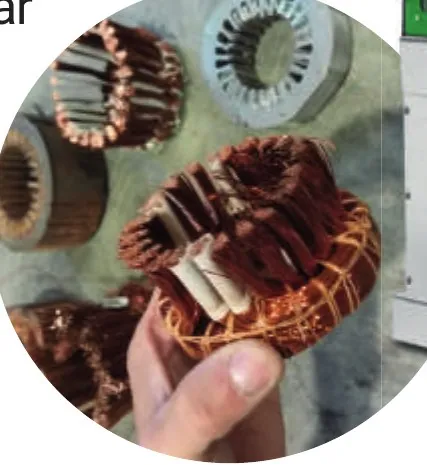
Electric motors (stators)
Stator copper is locked into the slots of the steel core.
See details →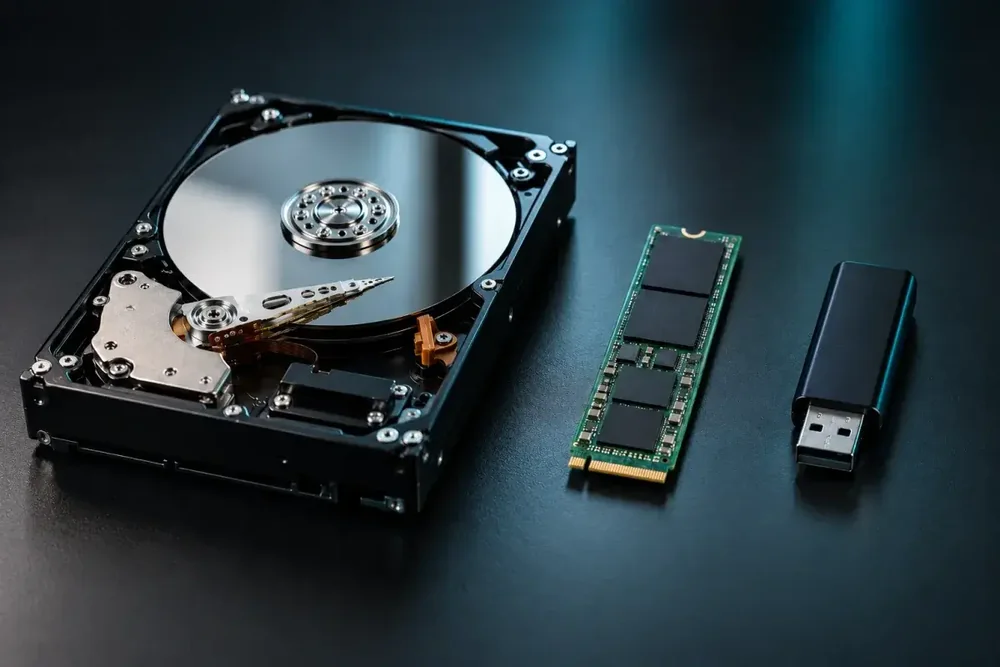
Hard drives, SSDs and data media
A retired drive is a security liability and, at the same time, aluminium, steel and circuit boards with scrap value.
See details →Test before you decide
Processing capacity depends on the cable: diameter, insulation, metal content, moisture and feeding change the real kg/h. That is why the model recommendation starts from a sample of your material.
1. You send the material
Photos, cable mix and a 20 to 30 kg sample.
2. We test it
Particle size, separation and throughput measured on your cable.
3. You get the recommendation
Model, configuration and a proposal based on what was measured.
Technical guides
Direct answers to the questions that come up before buying.
How much copper is in 1 kg of insulated wire?
It depends on the cable.
Read the guide →Burning wire to get the copper: why it does not pay
Burning cable releases toxic smoke, oxidises the copper and lowers its sale value.
Read the guide →Strip or grind the cable: which to choose?
Strip thick cable with a uniform cross-section and a clean jacket: the copper comes out whole and usually fetches a different price.
Read the guide →Send a 20 to 30 kg sample of your cable
The technical team tests the material, recommends the model and reports what to expect in processing capacity and separation.