
Start with the material
The same mill performs differently with each cable type. Pick your material and see the process route.

Copper and aluminium wires and cables
Building wire, rigid or flexible, is the most common material in recycling. The route depends on diameter: thick, clean cable can be stripped; fine, mixed wire goes to the mill.
See details →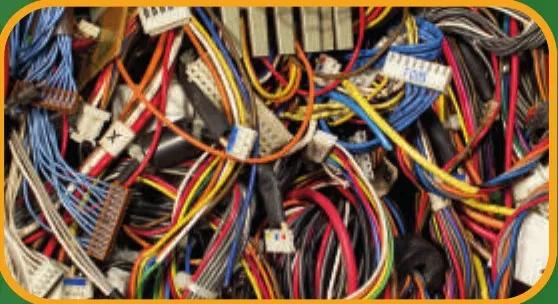
Automotive wiring harnesses
Harnesses carry fine wire, plastic connectors, brass terminals, clips and sometimes steel parts. It is the material that needs the most preparation before the mill.
See details →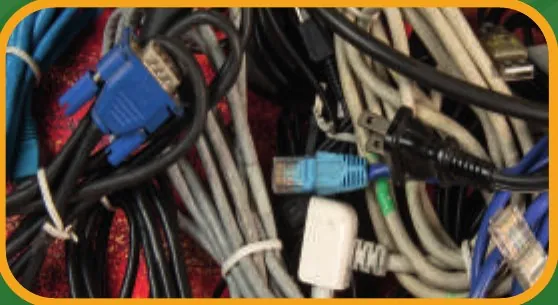
Data, telephone and capillary cables
Lots of plastic, little metal and very fine strands. It is the material the Turbo Series refiner was designed for: according to the brochure, it processes these cables without changing the screen.
See details →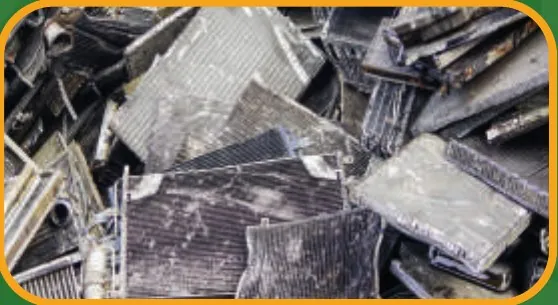
Copper and aluminium radiators
Mixed radiators lock copper and aluminium in the same block. Once ground and separated, each metal goes to its own price. The brochure lists pre-shredded radiators for the mills and the Turbo Series for copper, aluminium and copper-aluminium.
See details →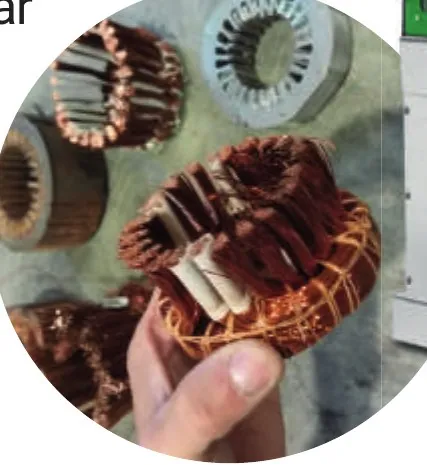
Electric motors (stators)
Stator copper is locked into the slots of the steel core. The Recmax 500T cuts, splits and extracts the winding from Ø60 to Ø500 mm stators, without a torch.
See details →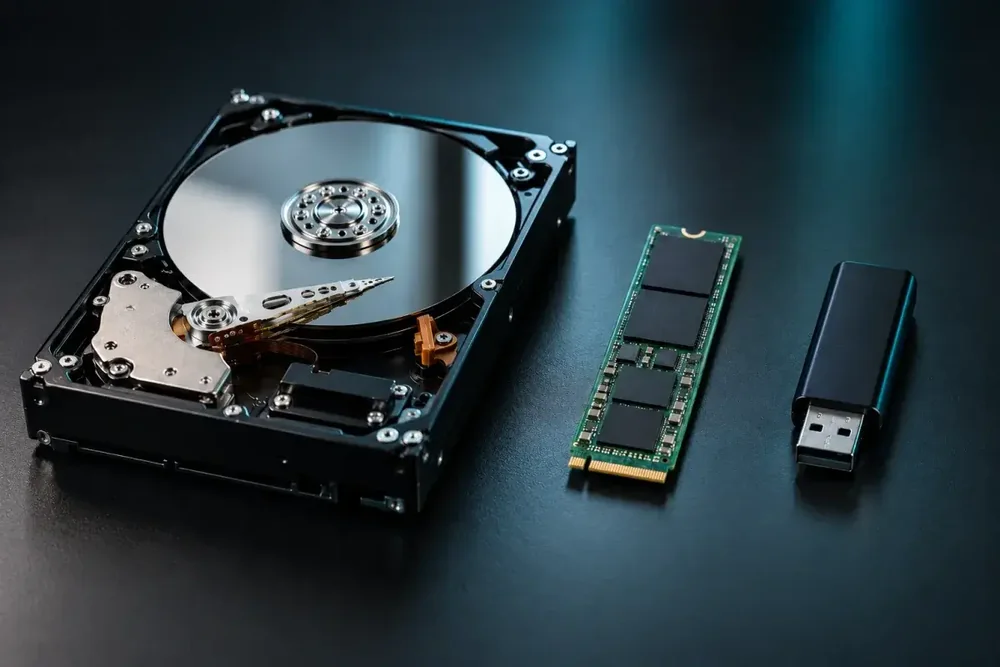
Hard drives, SSDs and data media
A retired drive is a security liability and, at the same time, aluminium, steel and circuit boards with scrap value. The route combines controlled data destruction with material separation.
See details →Send a 20 to 30 kg sample of your cable
The technical team tests the material, recommends the model and reports what to expect in processing capacity and separation.